
Understanding IVF Medications
Suppression, stimulation, trigger, and luteal support explained without brand names or doses—plus adherence tips and questions for your clinic.

Understanding IVF Medications: Phases in Plain Language
IVF medicines help the ovaries mature eggs in a controlled way, time egg collection, and support the lining of the uterus after transfer. Protocols differ by person and clinic. This article explains phases, not brand names or doses. Your written schedule from the clinic is the only plan you should follow.
Disclaimer: This article is for general education only. It is not medical advice, a diagnosis, or a treatment plan. Always discuss your situation with a licensed clinician. IVF Directory lists publicly available clinic information and does not provide success rates or pricing as clinical recommendations.
Why medicines are used in IVF
In a natural cycle, usually one egg matures. Stimulation medicines encourage several follicles (small fluid-filled sacs that may contain eggs) to grow in one cycle so the laboratory team has more chance to work with mature eggs. Other medicines prevent ovulation at the wrong time, trigger final egg maturation, or support the uterus after transfer.
Patient materials from ASRM and ESHRE describe these ideas in general terms. Exact products and timing are clinical decisions.
Phase 1: Suppression or cycle control (when used)
Some protocols begin with medicines or birth-control-type pills to quiet the ovaries or align the cycle before stimulation. Not every plan includes this step. The goal is control and predictability, not “stronger” treatment by itself.
Phase 2: Stimulation
Daily medicines (often injections) encourage multiple follicles to grow. Clinics monitor with ultrasound and blood tests and may adjust the plan. Common themes people report include bloating, injection-site tenderness, headaches, fatigue, or mood changes. Report sudden severe pain, rapid weight gain, shortness of breath, or vomiting—your clinic will give a personal red-flag list.
Phase 3: Trigger
When follicles look ready, a carefully timed medicine helps eggs complete final maturation before collection. Timing is critical. Taking it too early or too late can affect the procedure. Set alarms, confirm the clock your clinic uses, and ask what to do if you miss a dose.
Phase 4: Luteal support
After egg collection and around transfer, many people use progesterone or related support so the uterine lining can sustain a possible pregnancy. Formulations vary (vaginal, injectable, or other routes). Follow storage and timing instructions exactly as written for you.
Storage, timing, and adherence (general habits)
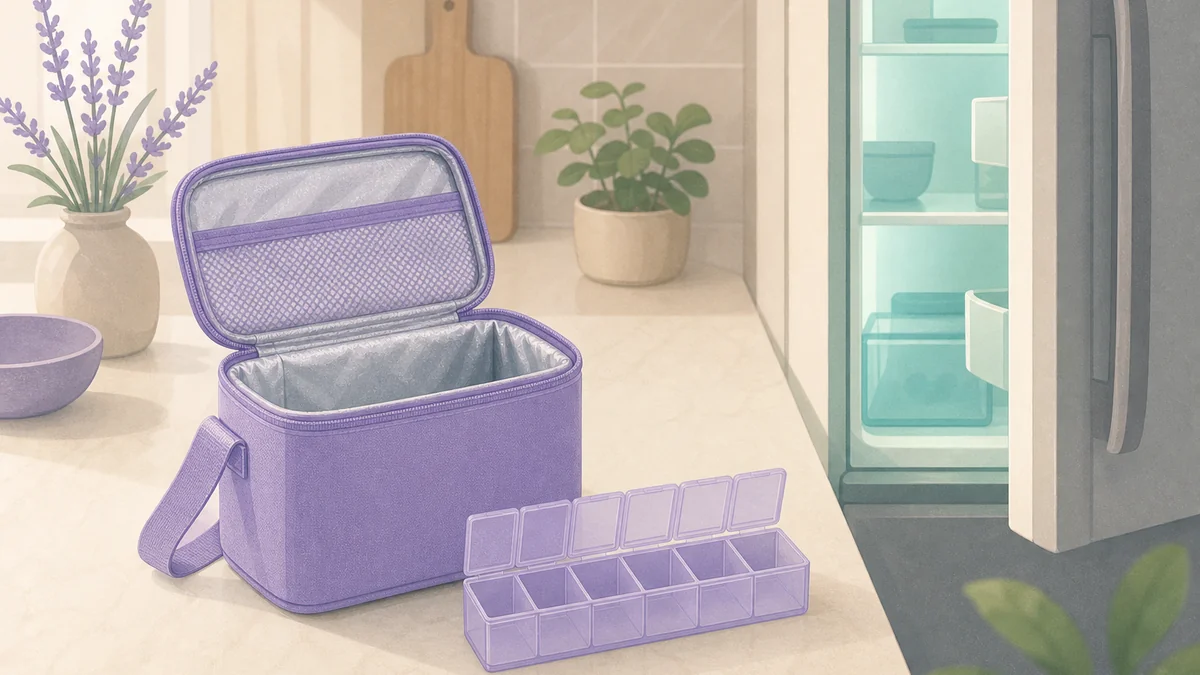
- Keep medicines in the conditions your pharmacy and clinic specify (some need refrigeration; others do not).
- Do not share pens or vials with another person.
- Write each dose in a log with date and time.
- Travel with a cooler bag only if your clinic advises it for your products.
- If a dose is missed or a device fails, call the clinic before improvising.

Side effects and when to seek help
Mild discomfort is common; dangerous complications are less common but need prompt attention. Clinics educate patients about ovarian hyperstimulation syndrome (OHSS)—a response where the ovaries become overly swollen and fluid shifts can occur. Ask your team how they reduce risk and which symptoms mean same-day contact or emergency care.
The CDC and professional societies emphasise that ART is medical care requiring monitoring—not a do-it-yourself hormone plan.
Questions to ask your clinic
- Which phase am I in today, and what is the goal of this medicine?
- What exact time should I take the trigger, and what time zone or clock should I use?
- How should I store each product, and what if the power fails?
- Which side effects are expected, and which need urgent contact?
- Who do I call nights and weekends?
- How will monitoring visits change my doses?
A short educational video
The animation below (Nucleus Medical Media) shows follicle aspiration, laboratory fertilisation—including ICSI as one technique—and embryo transfer in general terms. It is not specific to any clinic’s medication brands or doses.
Educational animation describing the general IVF process. Confirm every medical detail—including medicines—with a licensed clinician. This video is not a dosing guide.
Related reading and next steps
Pair this overview with preparing for IVF and the complete IVF guide. If you are comparing clinics in Spain, browse Madrid, Barcelona, or Valencia on IVF Directory, then confirm medication teaching and pharmacy pathways directly with the clinic.
Further reading (primary sources)
- ASRM — Patient resources — Patient education from the American Society for Reproductive Medicine.
- ESHRE — Patient information — European patient-facing fertility information from ESHRE.
- CDC — ART — US public explanations and reporting on assisted reproductive technology (including IVF).
- CDC — Infertility — Public-health overview of infertility causes, evaluation, and when to seek care.
- RESOLVE — The National Infertility Association — Peer support, advocacy, and education for people facing infertility.